
Founders who move goods, services or digital products across borders may gain from a free zone located beside an international airport, but ownership rules and eligibility should be confirmed with the free zone authority. If you sell mainly to the UAE mainland or need a storefront, compare other options first.
Key Takeaways
- Airport-adjacent free zones are generally aimed at cross-border trade, logistics and service businesses; confirm the zone’s focus and permitted activities with the free zone authority.
- Free zone companies are licensed by the zone authority, not a mainland department. Confirm tax, customs and mainland trading rules for your exact activity.
- Trading, freight-linked and some tech or consulting businesses are the strongest fits.
- Mainland-focused sellers, retailers and very early-stage founders on tight budgets should compare alternatives.
- Settle your activity wording, visa needs, office type and compliance duties before you commit, and confirm the specific requirements with the responsible free zone authority.
- Always verify current offerings and requirements with the zone authority.
What is the Dubai Airport Free Zone and how does it work?
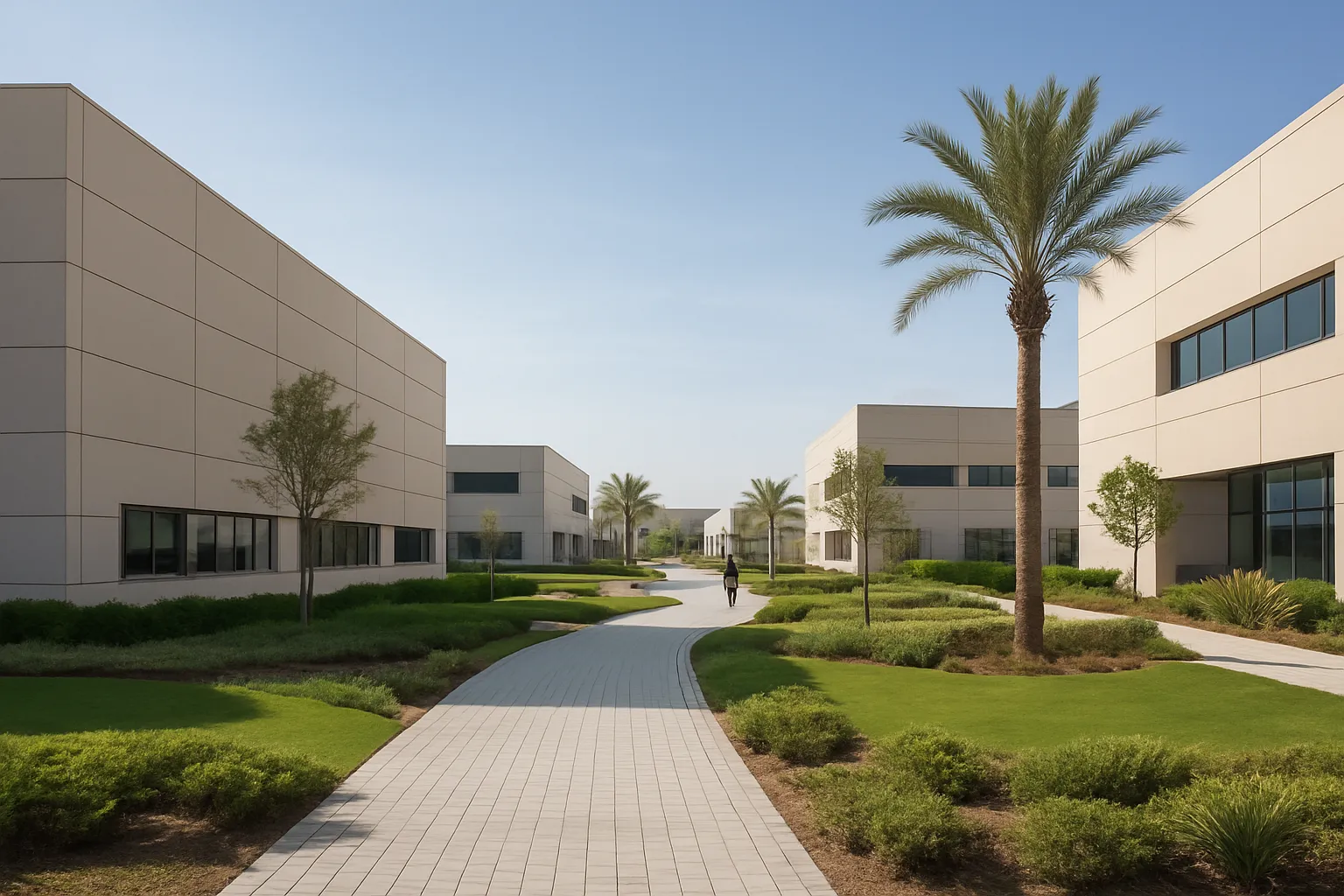
This is a Dubai free zone located next to Dubai International Airport; confirm details with the free zone authority. It is designed for companies that ship goods, sell services or deliver digital products across borders. Its location is the core of the offer: if your business depends on air links, the address matters. If it doesn’t, the address is just one factor among many.
A free zone company is licensed by the zone’s own authority, not by a mainland licensing department. Free zones often advertise benefits such as foreign ownership and a simpler setup route; confirm the exact terms with the free zone authority. Tax treatment, customs handling and rules on trading with the mainland vary by activity, so confirm them with the relevant authorities before you decide. Our guide on who issues business licences in Dubai explains the difference between the mainland licensing authority and free zone authorities. For a wider view of the process, see Dubai freezone company setup for foreigners.
Who benefits most from the Dubai Airport Free Zone?
Think of this as a fit test, not a guarantee. The more of the points below that describe your business, the stronger the case.
Trading and logistics businesses
Importers, exporters, re-exporters and freight-linked companies often gain the most. Airport proximity, air cargo access and bonded or warehouse-style operations suit businesses where speed and handling matter. Ask the zone authority which of these facilities are available for your activity, and on what conditions.
Tech-led and service businesses
A tech, consulting or e-commerce company can benefit from a credible business-centre address, regional connectivity and easy travel if the team flies often. The case weakens if you rarely travel and want the lowest running cost. A lower-cost or sector-specific zone may then match better. Your clients may also care more about a sector cluster than about an airport address.
Poor-fit profiles
Three profiles should look hard at alternatives:
- Mainly mainland customers. A free zone company often faces extra steps to trade on the mainland. A mainland licence, or a dual licence arrangement, may be simpler.
- Retail storefront needs. A zone built for cross-border business is not a shopfront location.
- Very early-stage, tight budgets. You may not need a full facility yet. Read how to start a business in Dubai without office space to see lighter options. For context on flexible-desk pricing in the capital, see Virtual Office Abu Dhabi Price: What You’ll Pay; confirm current pricing with the provider. If an Al Ain base suits you, see Virtual Office Al Ain: Costs, Benefits and Who It Suits.
What should you check before choosing DAFZ: licence, visa and ownership?
Licence
Free zones usually offer trading, service and industrial licence categories. The exact activity wording on your licence matters for banking, customs and future expansion. A vague or mismatched activity can create problems later. Activity approvals and any conditions must be confirmed with the zone authority, which you can reach through the official DAFZ website.
Visa and office
Visa eligibility often depends on the facility type, such as a flexi-desk versus a dedicated office, and on the licence package. Before you commit, ask the authority to confirm:
- how many visas your chosen facility and licence allow;
- the medical test and Emirates ID steps for you and your team;
- what renewal requires for the licence, the facility and each visa.
If you are also comparing other emirates, our guides on investor visa requirements in Abu Dhabi and in Al Ain show how residency routes differ by location.
Ownership and compliance
Free zones often allow full foreign ownership, but confirm this for your activity and shareholder structure, including any corporate shareholders, with the free zone authority. Then confirm your corporate tax, indirect tax and economic substance obligations with the relevant authorities and an accountant. Being in a free zone does not remove these questions.
How does DAFZ compare with other Dubai free zones and the mainland?
Compare options on six factors: location, industry focus, facility types, flexibility, perceived prestige and cost structure. The table below is qualitative. Verify current offerings with each authority.
| Option | Typical strength | Usually suits |
|---|---|---|
| Airport-adjacent free zone | Airport adjacency, business-centre profile | Air-cargo-linked trade, cross-border services |
| Port-based industrial free zone | Port and industrial focus | Port-heavy, large-scale goods operations |
| Dubai Silicon Oasis | Technology community | Tech-centric startups and developers |
| Commodities-focused free zone | Commodities and trading ecosystem | Commodities-focused and trading firms |
| Dubai South | Logistics-oriented district | Logistics and aviation-related operations |
| Mainland licence | Direct access to the local market | Mainland-facing businesses, retail |
For a quick match, use this decision matrix:
| Your business | Zone type that usually fits |
|---|---|
| Goods-heavy, air-cargo-linked | Airport-adjacent free zone |
| Port-heavy | Port-based free zone |
| Tech-centric | Technology-focused zone |
| Commodities-focused | Commodities-focused free zone |
| Mainland-facing | Mainland licence, or a dual licence |
If you want to see how a free zone outside Dubai is structured, the Hamriyah Free Zone setup page is a useful comparison point.
What are the common mistakes, and how do you decide?
Mistakes to avoid
- Choosing on headline price alone and ignoring what the package leaves out.
- Picking an activity that doesn’t match what the business actually does.
- Ignoring where your customers and suppliers are.
- Underestimating warehouse or office needs.
- Skipping bank-account and compliance planning until after the licence is issued.
A simple shortlist method
- Define your business model. Are you trading goods, selling services or delivering digital products?
- Locate your customers. Are they abroad, in the free zone or on the mainland?
- List your logistics needs. Do you need air cargo, storage or just an address?
- Count your visa headcount. Include the team you plan to hire, not just today’s.
- Map your growth plans. Will you need more space or a mainland licence later?
- Set a budget range. Compare total running cost, not setup cost alone.
Lean toward an airport-adjacent free zone if you are goods-heavy or air-cargo-linked, or you are a service business with international clients and frequent travel, and confirm suitability with the free zone authority. Compare further if your customers are split between mainland and abroad. Look elsewhere if you are mainly mainland-facing, need a storefront, or are still validating an idea on a tight budget.
Your next step
Al Ain Business Center’s experts can help you test your shortlist, confirm current requirements with the authorities and map the right zone and licence to your plans. Book a free consultation to start your journey with a clear, stress-free plan.
Frequently Asked Questions About Dubai Airport Free Zone
Is the Dubai Airport Free Zone good for trading and logistics businesses?
Importers, exporters, re-exporters and freight-linked companies often gain the most, because airport proximity and air cargo access suit businesses where speed and handling matter. Ask the zone authority which facilities are available for your activity and on what conditions.
Can I get residence visas through a Dubai Airport Free Zone company?
Visa eligibility often depends on the facility type, such as a flexi-desk versus a dedicated office, and on the licence package. Ask the free zone authority how many visas your facility and licence allow, and what the medical test, Emirates ID and renewal steps involve.
Further Reading
Published 31 October 2026
Related articles
 Free Zones
 Free Zones
 Free Zones
 Free Zones
 Free Zones
 Free Zones
Latest guides
- Finger Print for Visa Abu Dhabi: Your Biometrics Guide
- Ministry of Human Resources & Emiratisation Abu Dhabi Office
- Blue Visa UAE 2026: Who Qualifies and How to Apply
- Business Setup in Abu Dhabi in 2026: Costs and Steps Explained
- Virtual Office Abu Dhabi Price: What You’ll Pay in 2026
- How to Start a Business in Dubai Without Office Space